How to Build a Firm Biblical Foundation for Your Children
Most Christian parents and caregivers share the same quiet worry: they want their children to know God, but they’re not sure whether they’re doing enough, or doing it right. If that sounds familiar, take heart — you don’t need to be afraid you’re falling behind.
If you’re wondering how to build a firm biblical foundation for your children, it starts here: let them regularly see faith lived out in everyday life, hear God’s Word explained in language they understand, learn to pray honestly, feel safe asking questions, and experience genuine Christian community.
One mum in our C3 household recently shared her own story. Back in university, faith wasn’t really on her radar. It wasn’t until she was married and raising two girls with her husband that she started thinking seriously about what she wanted to pass on. She realised that giving her girls a firm place to stand mattered more than having fun on a Sunday and calling it done. So, as a new year began, she and her husband started rebuilding simple rhythms as a family—and found real joy in it.
That’s the heart of what it means to build a firm foundation for your children. This article unpacks what a biblical foundation actually is, why relationship matters more than religious performance, how parents and the church work together, and what it looks like to model faith in daily life through simple family rhythms, everyday decisions, honest conversations about doubts, and wise responses to cultural and online pressures. It also includes practical help for teaching grace and responsibility, encouraging your children to participate in church community, a seven-day family faith starter plan, and common mistakes to avoid.
It isn’t about perfect behaviour, and it’s not a guarantee your child will never question what they believe, or that the world won’t test their faith. The goal is simpler and stronger: to give them a solid foundation that can hold through doubts, challenges, and cultural pressure, so their own relationship with Jesus Christ can grow with hope and integrity throughout their history as a family and long after they leave home.
What Does a Biblical Foundation in Jesus Christ Actually Mean?
It’s more than knowing Bible stories or showing up on Sunday. It involves four things growing together: knowing who God is, understanding the gospel and the person of Jesus, learning to view choices and relationships through Scripture, and experiencing faith as part of everyday life rather than a separate compartment.
Jesus used a simple picture for this in Matthew 7:24-27. The wise man built his house on the rock, while a foolish man built his on sand. When the storms came, the wise man’s whole structure stood firm, while the other collapsed. The point wasn’t that the wise man avoided every storm; it’s that his house had a firm foundation to stand on. That’s what we’re aiming for when we build a firm foundation for our children: not a life free of pressure or doubt, but a foundation stable enough to stand firm when both arrive.
Relationship Before Religious Performance
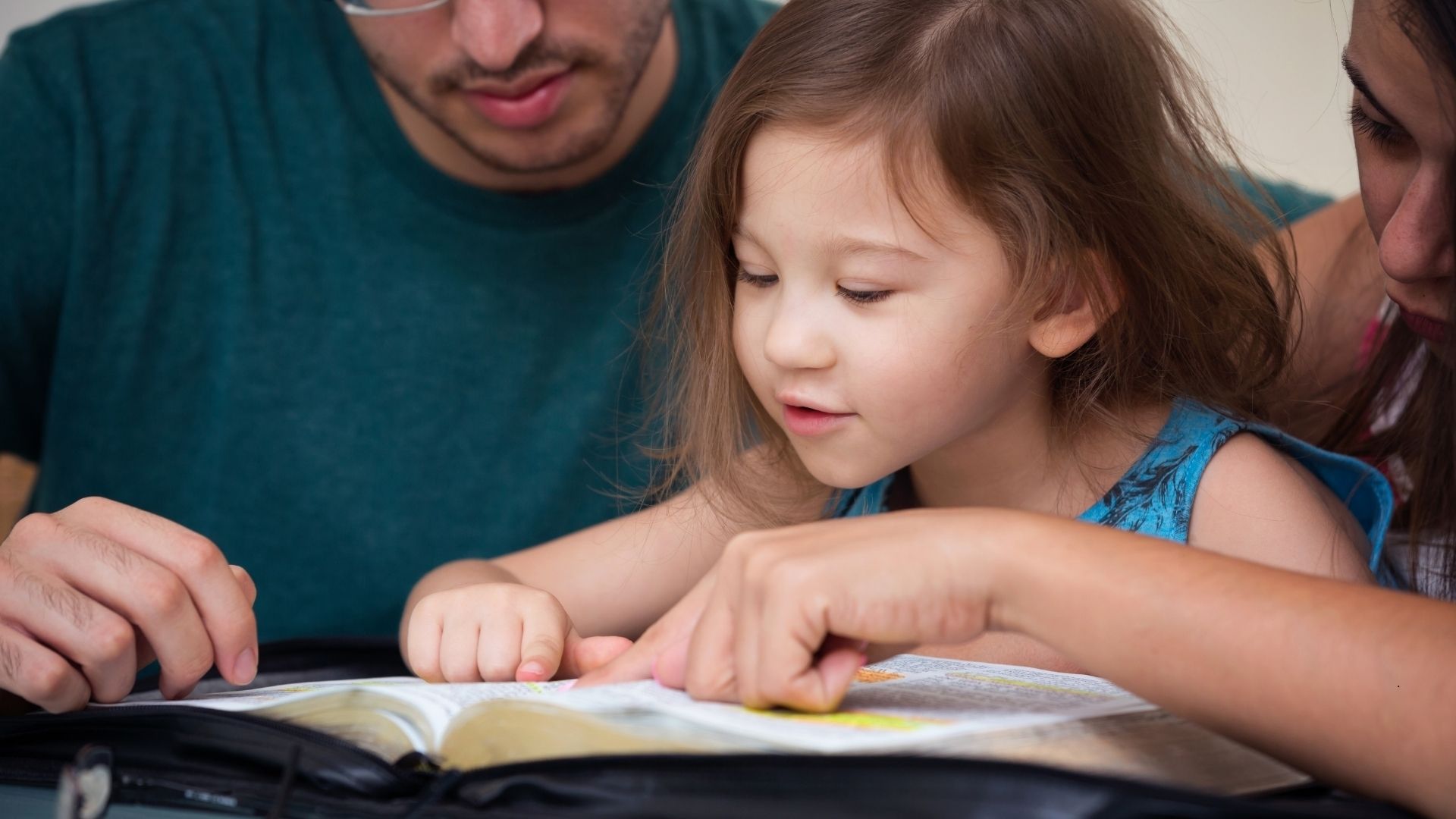
Before any habit or routine, children need to know faith is a personal relationship with the Lord, not a performance. God’s love isn’t earned through good behaviour. They can speak to Him honestly. Grace and repentance sit at the centre of Christianity. They can learn to hate what is wrong and love what is good, without fear of being loved less for getting it wrong along the way. And asking hard questions isn’t the same as rejecting faith. Get this right, and everything else gets easier.
Parents and Children’s Ministry: Two Different Roles
You have been called to be the spiritual head of your household, and parents model how faith shapes ordinary life, day in and day out. The local children’s ministry contributes age-appropriate biblical teaching, trusted leaders, worship, a small group of friends, and friendships with other Christian families. Neither replaces the other — home is where faith takes root; church is where it’s watered and grown alongside others on the same path.
Begin With the Faith Your Children Already See
Children are always watching, and with attentive eyes you begin to see what they learn from the daily examples you set, especially in unscripted moments: how you handle stress, own a mistake, or treat someone who’s wronged you. That might look like praying together when someone’s worried, thanking God when things go well, apologising sincerely after losing your patience, giving generously without needing credit, and going to church consistently without presenting it as an obligation. None of this requires pretending to be a perfect parent — quite the opposite. It’s amazing to watch children who grow up seeing this become, in their own small way, salt and light here on earth.
Some of the most powerful discipleship moments happen after we get it wrong. Try: “I spoke harshly earlier. That wasn’t loving, and I’m sorry. I’ve asked God to forgive me, and I’m asking you to forgive me too.” A moment like that teaches grace and forgiveness far more convincingly than any lecture.
Build Simple Rhythms Your Family Can Keep
Consistency matters more than intensity. A five-minute habit kept up for months shapes children more than an ambitious devotional plan that disappears after a week. Australian parenting research backs this up, too, recognising that everyday routines and family rituals reinforce shared values, belonging and security.
Read the Bible age-appropriately. With toddlers, keep it short — picture stories, repetition, songs, one simple truth at a time. With primary-schoolers, read a short passage together, ask what they noticed, let them retell it, and connect it to school or friendships, helping them return to this book for truth. With pre-teens and teens, encourage independent reading, discuss context honestly, and compare culture’s messages with Scripture’s without turning every chat into a lecture, since false ideas show up in every space of life and media and children need to recognise them. Bible Society Australia offers age-appropriate resources if you’d like support building this rhythm.
Make prayer natural, not formal — gratitude before meals, a quick prayer before school, asking for God’s wisdom mid-conflict, praying for a friend by name, letting your kids pray in their own simple words for the spiritual advantage of regular prayer together.
Attach faith to routines you already have, rather than inventing new ones — lay simple faith habits into routines that already fit family life, like a Bible story after bath time, gratitude at dinner, a prayer on the drive to school, worship music while making breakfast.
Connect God’s Word to Everyday Decisions
Real growth happens when you move from “What happened in this story?” to “How might this change what we do?” Everyday life gives you openings and helps children find not only practical guidance but also what God’s character is like: a child excluded by classmates, a sibling who lies about breaking something, nerves before a new school, unfair play on the sporting field, jealousy toward someone else, or simply noticing someone nearby needs help.

Questions can do more than answers here: What would a loving response look like? Is there a Bible story this reminds you of so you can remember God’s truth before you choose? How could we prove this idea against Scripture? Is this choice truthful, kind and wise? How could we repair this? The aim is to anchor their thinking in God’s truth and build discernment, not just compliance.
Navigating Online and Cultural Influences
Biblical formation today also means helping children evaluate what they watch and scroll through, because they are surrounded by influences online and in culture — the values behind the media, how it portrays identity and success, and the obvious contrast between those messages and Scripture. The enemy of our faith is patient, and he’s happy to use a screen as much as anything else. False teachings permeate every aspect of life today, increasing the risk that children absorb lies without even noticing. Current Australian eSafety research shows parents commonly discuss online safety with their kids, but subtler issues like algorithmic influence come up far less often. That’s a real opportunity: talk it through together rather than relying only on restriction. Ask what a piece of content suggests will make someone valuable, whether that lines up with Scripture, and how it made them feel, so they’re ready to spot a trend and respond biblically. The Australian eSafety Commissioner also offers helpful, age-specific guidance.
Make Room for Questions, Doubt and Curiosity
Questions are usually a sign of engagement, not rejection. Listen before correcting, thank your child for asking, and resist pretending to have every answer. Research hard questions together in a simple course of learning, helping them know what they believe and why rather than relying on blind faith, and help them understand the difference between the core gospel message and secondary issues Christians genuinely disagree on.
When you truly don’t know, it’s fine to say so: “That’s an important question. I don’t know the full answer yet, but we can look for a clue in Scripture and ask someone we trust until we know more.”
Teach Grace, Character and Responsibility Together
Biblical parenting speaks to both heart and behaviour, and family discipleship can be a mess at times while still teaching grace, character, and responsibility together — why honesty matters, taking responsibility without shame, consequences that teach rather than humiliate and help children know when something is wrong, own it, and make it right, forgiveness, making things right, and understanding obedience is a response to God’s love, not the price of earning it. Try to avoid phrases like “good Christians don’t do that” as your main disciplinary tool. Instead, talk through who was affected, why it was harmful, what Scripture says, how the relationship can be repaired, and what a wiser choice looks like next time.
Let Children Participate, Not Just Listen
Faith becomes more meaningful when children are active participants: let them choose someone to pray for, help prepare a meal for another family, welcome a new child, take on a small serving role, choose a worship song, or retell a Bible story in their own words. Celebrate the moments you see courage, compassion and integrity in them.
Partner With a Church Community
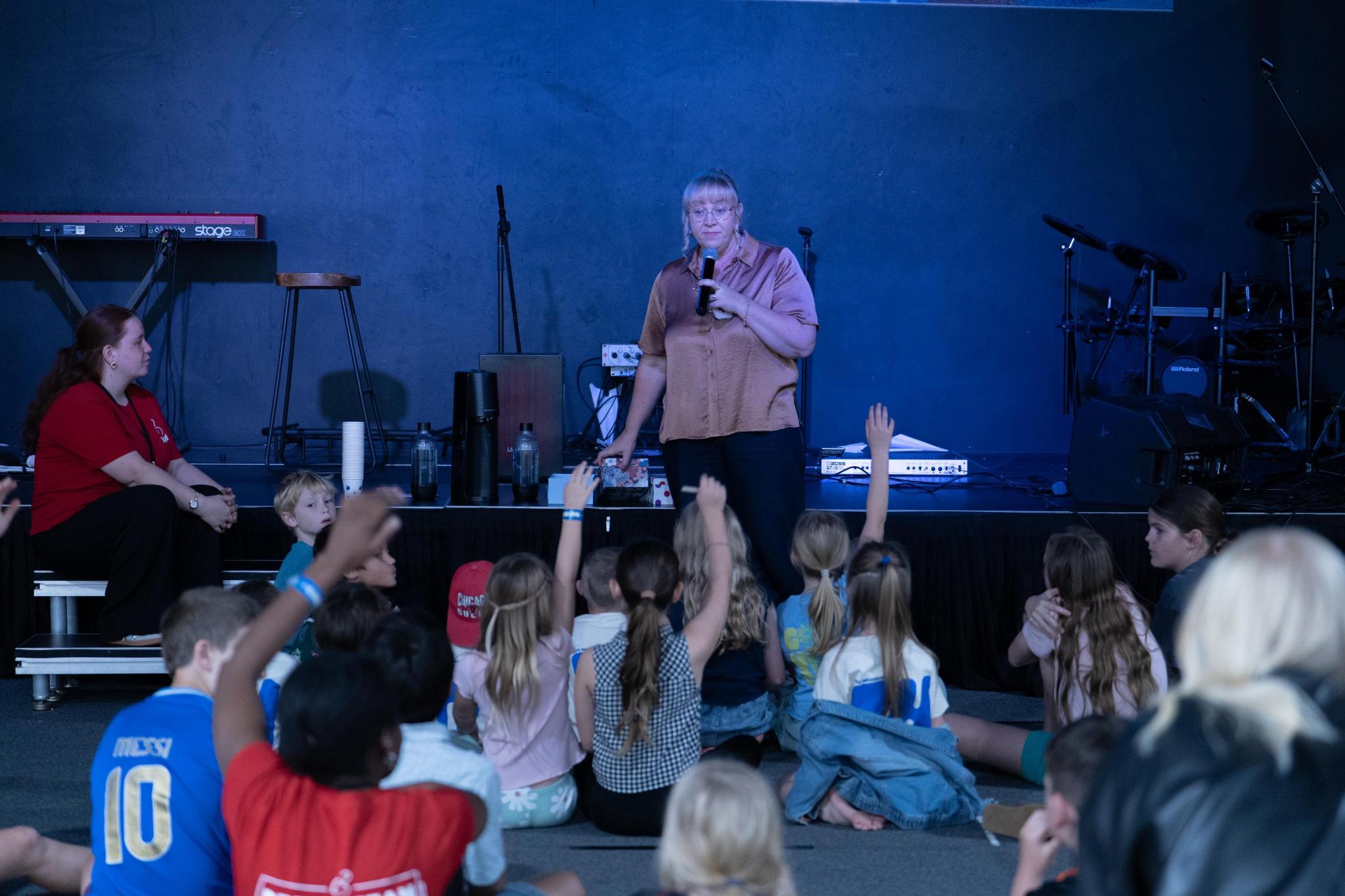
You’re not meant to build this foundation alone. A healthy local church offers age-appropriate teaching, worship, trusted Christian adults, friendships, opportunities to serve, and support for parents. At C3 Powerhouse Melbourne East, our Ringwood Sunday service runs at 10am, with a children’s program for children from nine months through Grade 6 and a youth ministry for Grades 7 to 12 — see our family and youth programs. C3 Kids reinforces what happens at home through worship, Scripture, discussion and prayer, but it’s there to support your family’s discipleship, not replace it.
Seven-Day Family Faith Starter Plan
If you’re not sure where to begin, try this simple weekly rhythm. You don’t need to complete every activity perfectly — it’s a starting framework for the journey, not another measure of spiritual success.
| Day | Small action | Example |
|---|---|---|
| Monday | Gratitude | Each person shares one thing they thank God for |
| Tuesday | Bible story | Read a short passage and ask what it shows about God |
| Wednesday | Prayer | Pray for a friend, teacher or family member |
| Thursday | Character | Importantly, discuss where someone showed courage or kindness |
| Friday | Worship | Play one worship song together |
| Saturday | Service | Help someone or do one act of generosity |
| Sunday | Church reflection | Ask what each person noticed or learned |
Common Mistakes to Avoid
A few patterns trip families up:
- Making the routine too complicated from day one
- Outsourcing faith entirely to church so Kids Church becomes the only place children hear Scripture
- Shutting down hard questions defensively, which can run the risk of children looking elsewhere for answers
- Measuring faith only by compliance or attendance
- Using the same approach for every age
- Expecting instant results, instead of being surprised when growth is gradual, when spiritual formation is an ongoing relationship, not a short-term project.
You Do Not Need to Build the Foundation Alone
You build a firm foundation through small, repeated moments of lived faith — modelling an authentic relationship with Jesus Christ, building manageable rhythms around God’s Word, connecting Scripture to ordinary life, welcoming questions, teaching grace alongside responsibility, and staying connected to Christian community so children grow in confidence in God’s truth. A good foundation doesn’t need to be complicated to be strong. This applies just as much to single-parent, blended, adoptive, foster and shared-care families as any other. And if you’ve been inconsistent in the past, you can simply begin again and relax in God’s grace. No shame required.
If you’re looking for a church family to walk this road with you, you’re welcome at C3 Powerhouse Melbourne East. Whether you’ve been a Christian for years, you’re exploring faith for the first time, or returning to church after time away, our Ringwood community would love to welcome your whole family. Plan your visit and discover a Sunday service with a program your children will genuinely enjoy.