
What It Means to Be an Apostle Today
The word “apostle” carries weight. For many Christians, it conjures images of the original twelve apostles walking the dusty roads of the Roman Empire, planting the early church, and writing much of the New Testament. But the question that comes up again and again in modern conversations is this: does the role of an apostle still exist today?
It’s a question worth exploring carefully. Apostolic ministry sits at the heart of how Jesus designed the church to grow, expand, and mature. Understanding it matters for anyone seeking clarity on spiritual gifts, ministry calling, or the way God is still moving through His people in the modern world.
Understanding the Biblical Foundation of Apostleship
The word “apostle” comes from the Greek word apostolos, meaning “one who is sent.” It’s a term used throughout Scripture to describe those sent by Jesus with authority to carry out a specific mission. The word apostle means more than messenger. It carries a sense of representation, authority, and divine commissioning.
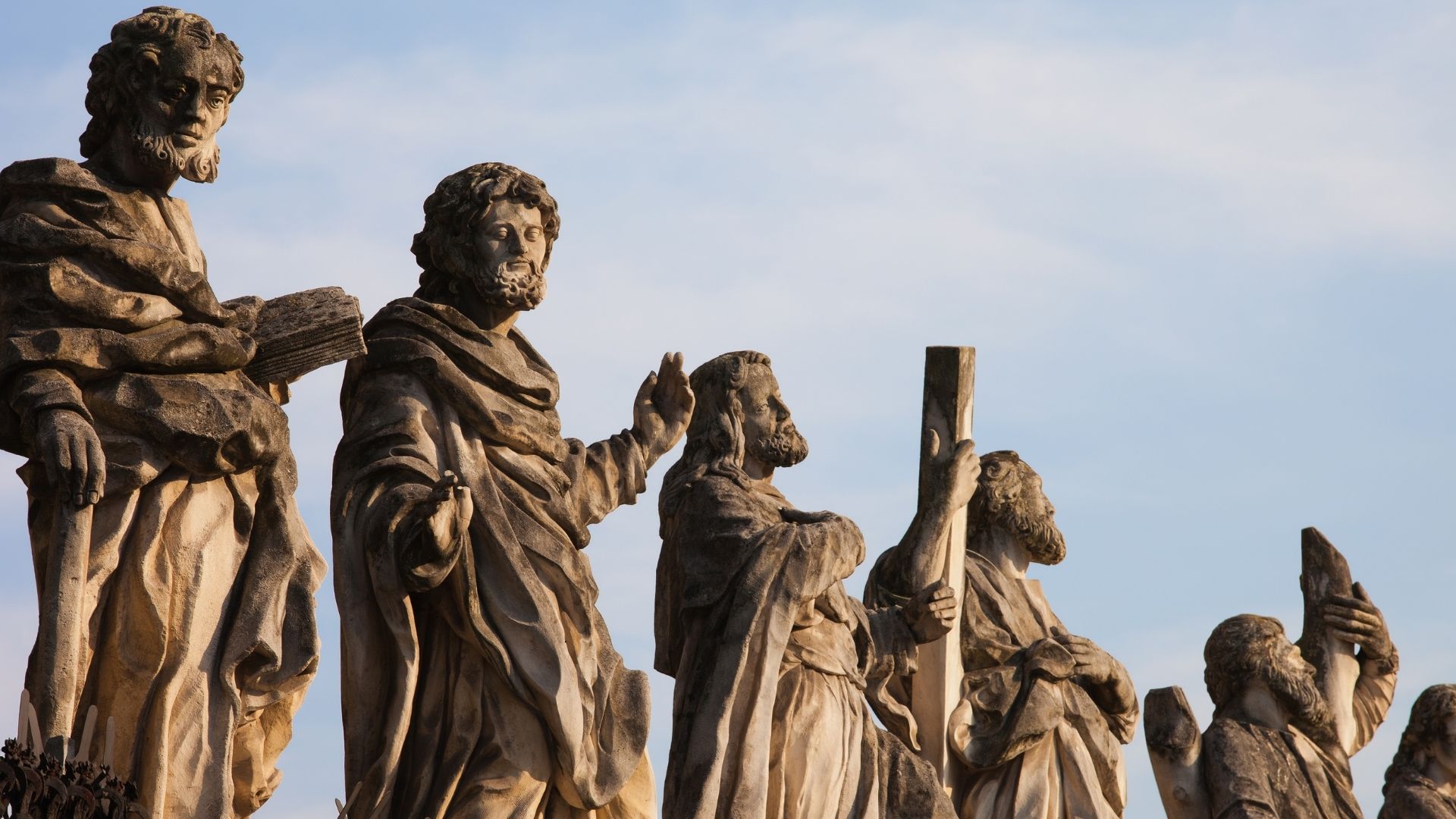
In the New Testament, three key passages help frame the role:
- Ephesians 4:11 lists apostle as one of the five ministry gifts Jesus gave to His church.
- Acts 1:21–22 outlines the qualifications of the original twelve apostles, those who walked with Jesus from His baptism through to His resurrection.
- 1 Corinthians 12:28 places apostles first in the order of ministry gifts given to the body of Christ.
The original twelve apostles, alongside the Apostle Paul, formed the foundation of the early church. Their primary function was to bear witness to the risen Christ, plant churches, establish doctrine, and lead the spread of the gospel across the Roman Empire. The Apostle Paul stands out as the clearest example of apostolic ministry in action, pioneering new territory, equipping leaders, writing much of the New Testament, and shaping the early church through letters, visits, and missionary work.
Are There Apostles Today?
This is where Christian thought divides. There are two main theological perspectives:
Cessationism holds that the role of apostle ended with the original twelve apostles and Paul. Cessationists argue that since one of the qualifications in Acts 1 was having seen the risen Christ, no one today can hold the same office.
Continuationism, by contrast, holds that apostolic gifts and ministry continue today, though distinct from the foundational role of the original twelve. Continuationists make a clear distinction between the apostles (the foundational twelve plus Paul, whose authority and Scripture-writing role can never be replicated) and apostolic ministry, which is still active in the church today.
Most Pentecostal, charismatic, and evangelical churches hold a continuationist view. The conviction is that all five-fold ministry gifts listed in Ephesians 4:11 remain active until the church reaches full spiritual maturity. Modern-day apostles aren’t seen as replacements for the Twelve, but as those carrying apostolic gifts to plant churches, govern movements, and pioneer new territory for God’s people.
Characteristics of a Modern-Day Apostle
So how does apostolic calling actually look in the church today? A few key markers tend to stand out.
Spiritual authority. Apostolic leaders carry a recognised authority that’s spiritually evident, not self-appointed. It’s affirmed by fruit, by other leaders, and by the body of Christ over time.
Church planting and governance. A primary function of apostolic ministry is planting churches and providing oversight to networks of churches. Apostolic leaders often serve as a kind of chief apostle or overseer within a movement, equipping pastors and helping local churches stay aligned in vision and doctrine.
Visionary leadership and pioneer spirit. Apostles see beyond what currently exists. They’re wired for new territory, big vision, and building things that don’t yet exist.
Strong faith and resilience. Apostolic ministry isn’t easy. It requires faith for the unseen, perseverance through resistance, and a willingness to step into the unknown.
What sets apostles apart from other ministry gifts is their breadth. While pastors care for the local church and teachers ground believers in Scripture, apostolic leaders often function across multiple churches, regions, and even nations. Apostles and prophets work closely together in what Scripture calls the foundation of the church, with Christ Jesus as the chief cornerstone (Ephesians 2:20).
Apostolic Ministry in Practice

In the modern church, apostolic ministry shows up in a few practical ways.
Movements and networks. Many contemporary church movements operate with an apostolic structure, a founding leader or core team carrying apostolic authority over a network of churches. Examples include NCMI (New Covenant Ministries International) and the work of teachers like C. Peter Wagner, who helped popularise the New Apostolic Reformation and the broader prophetic movement.
Local church support. Apostolic leaders serve local churches by providing oversight, vision, and equipping. Pastors leading a local fellowship often have an apostolic leader they look to for counsel, accountability, and spiritual covering.
Global missions. Apostolic ministry is closely linked to missionary work and the call to take the gospel to all the world. Many modern-day apostles function as church planters, sent into unreached areas to establish gospel work and raise up local leadership.
Discipling and multiplying leaders. One of the clearest marks of apostolic ministry is the ability to raise up other leaders. Apostles don’t just build churches; they build people who build churches.
Misconceptions and Warnings
With any discussion of apostleship comes the need for honest reflection. The term apostle has, at times, been misused, claimed as a title for status, or used to assert unaccountable authority. Scripture is clear that apostles are fallible human beings called to humility, servanthood, and accountability within the body of Christ.
A few important reminders:
- Apostolic calling isn’t a title; it’s a function. True apostolic ministry is evidenced by fruit, not by a label.
- Authority should never override servanthood. Jesus modelled apostolic leadership through washing feet, not lording over others.
- Accountability matters. No apostolic leader operates well in isolation. Genuine apostolic ministry is always submitted to other leaders, to Scripture, and to the Holy Spirit.
- Spiritual abuse is real. Wherever the role of an apostle is claimed without humility, accountability, or biblical grounding, there’s potential for harm. Discernment is essential.
The goal of apostolic ministry isn’t power. It’s the building up of God’s people and the advancement of God’s kingdom.
How to Discern or Grow in Apostolic Calling
For those wondering whether they might carry an apostolic calling, the path forward is the same as with any spiritual gift: slow, prayerful, and rooted in community.
Self-assessment. Look at the fruit of your life. Are you wired for new territory? Do you find yourself raising up leaders? Do you carry vision that extends beyond your own local context?
Community affirmation. Apostolic calling is rarely self-declared. It’s recognised and affirmed by other believers, mentors, and church leaders who can see what God is doing in and through you.
Biblical study and mentorship. Study the life of the Apostle Paul. Read about the original twelve apostles. Sit under leaders who carry apostolic ministry and learn from how they lead, plant, and disciple.
Prayer and patience. Apostolic ministry is forged over years, not weeks. Spend time in prayer, ask God for greater understanding of how He’s wired you, and trust His timing for stepping into new responsibility.
If you sense God stirring something apostolic in you, take it seriously, but hold it lightly. Calling unfolds over time, and the safest place to grow it is within a healthy local church.
Apostolic Ministry As a Continued Gift
Apostolic ministry, in its modern expression, is one of the gifts Jesus continues to give His church for its growth, maturity, and mission. While the original twelve apostles occupy a unique place in Christian history, the apostolic gift itself is alive and active. Pioneering churches, multiplying leaders, and pushing the gospel into new territory across the world.
For Christians exploring spiritual gifts, leadership, or their place in the body of Christ, this is a topic worth sitting with: in personal study, in conversation with church leaders, and in small group settings where Scripture can be wrestled with together.
Frequently Asked Questions
What is an apostle in modern day?
A modern-day apostle is generally understood as someone called by God to pioneer, plant churches, and provide spiritual oversight within the body of Christ. While distinct from the original twelve apostles, modern apostles carry the apostolic gift described in Ephesians 4:11.
What does being an apostle mean?
The word apostle comes from the Greek apostolos, meaning “one who is sent.” Being an apostle means being commissioned by God with authority to carry out a specific mission, usually involving church planting, leadership development, and the advancement of the gospel.
What makes a person an apostle?
A person is generally recognised as an apostle through the fruit of their ministry, the affirmation of other church leaders, and the spiritual gifts evident in their life. Apostolic ministry is marked by spiritual authority, pioneering vision, the ability to raise up leaders, and a faithfulness to Jesus Christ and His Word.
Can anyone properly be called an apostle today?
Not everyone is called to apostolic ministry, just as not everyone is called to pastoral or evangelistic ministry. The term apostle should be used carefully, with humility, and within an accountable community. When used rightly, it describes a specific calling rather than a title of status.